
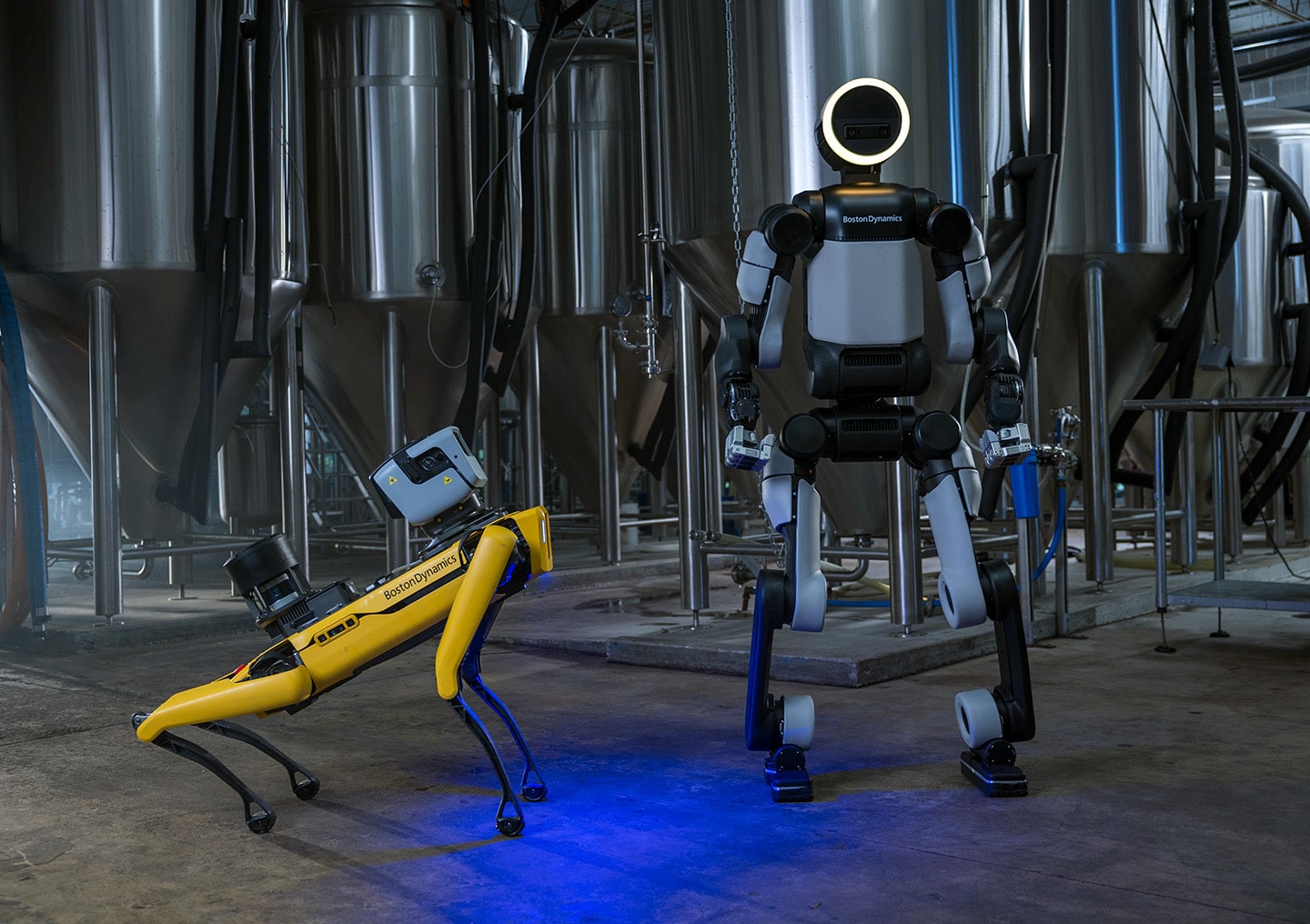
Boston Dynamics and GlobalFoundries Scale Spot Across Global Fabs, Open First Semiconductor Atlas Humanoid Trial
Boston Dynamics and GlobalFoundries expanded their collaboration on November 17, moving Spot from one Vermont site to fabs in Malta NY, Burlington VT, Dresden and Singapore. Two Spot robots in Singapore have covered nearly 900 km and completed over 90,000 inspections since April at a 99% mission success rate, with 875 routine inspections migrated in two weeks. GF also becomes the first non-automotive customer to join the Atlas humanoid early adopter programme, with on-site trials from early 2027.
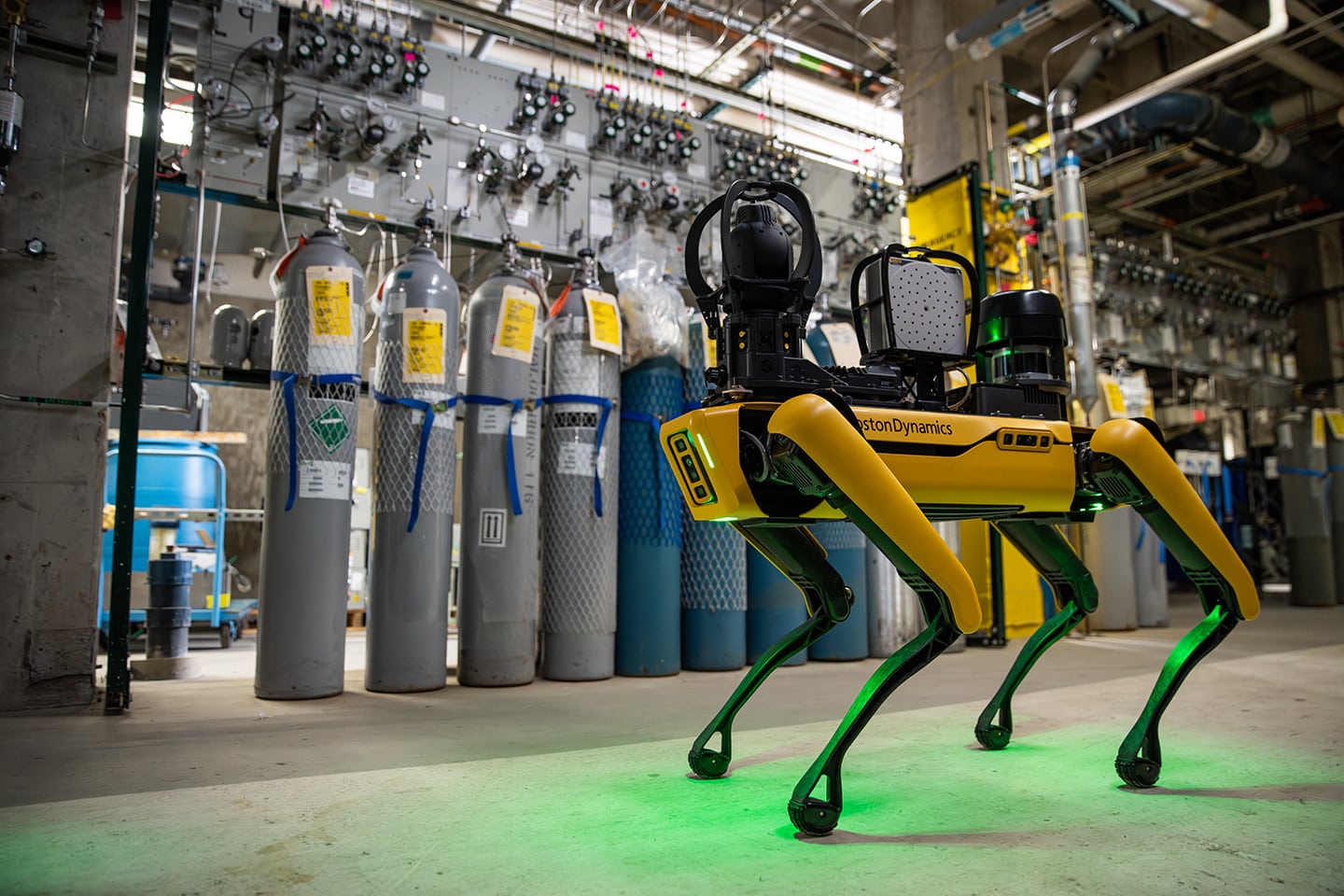
The operating numbers make clear this is not a demonstration. GF has worked with Boston Dynamics for more than four years, deploying Spot at Burlington since 2022. Since April 2026 the programme has run in Singapore sub-fab areas, where two Spot robots have travelled nearly 900 kilometres and completed more than 90,000 inspections at a 99% mission success rate. GF also redeployed 875 routine inspections onto Spot in two weeks, with a stated roadmap to more than double that number using advanced visual inspection. Pradip Singh, GF's chief manufacturing officer, frames the shift as moving from reactive to predictive maintenance across thousands of inspection points.
The demand has a physical basis. A sub-fab level concentrates vacuum pumps, gas cabinets, chemical delivery and electrical distribution in narrow, densely packed corridors, some of them carrying trace gas and particle risk. Manual rounds are frequent but low in information density, while a wafer fab runs 24/7 and every unplanned stop is measured in hours of lost output. The gain from a mobile robot is not headcount - it is turning a sampled inspection into continuous sampling, so trend data arrives before the failure does.
The engineering constraints follow, and they are the part most often underestimated. Cleanroom environments are sensitive to particle shedding, outgassing, ESD and micro-vibration. A mobile platform has to move slowly and smoothly, quietly, and with low particle emission. Arm joints have to hold stiffness and low backlash in confined spaces, because repeatability sets whether visual and acoustic inspection data is comparable run to run. Drives need synchronised fieldbus control, low electromagnetic emissions, and stable temperature rise under long low-load duty. An Atlas-class platform entering a fab is testing exactly that stack - torque density, thermal margin and reliability of the actuation layer - not a walking demo.
From the component side, the requirements collapse into three: low-speed torque with low backlash, wide temperature range with a real IP rating, and deterministic bus synchronisation with trustworthy feedback. Repunite's integrated joint modules (JTM series, 48 V and 72 V buses, ratios from 1:18 to 1:100, backlash down to 3 arcmin, EtherCAT or CAN) and MIL-grade servo motors (JGSM 80 and 150 frames, IP67, -40 to +85 C, resolver feedback) address that layer, paired with JGDSD 48 V servo drives rated for 3x overload. One caveat belongs in every cleanroom enquiry: cleanliness class, outgassing and lubricant compatibility are application-side confirmations and must be verified item by item with the supplier rather than inferred from a general catalogue.
The industry signal is that the first durable humanoid demand may not be in general-purpose factories at all, but in environments where data continuity matters most and human access is most restricted - semiconductor, nuclear, power and hazardous storage. Whoever can turn joint, drive and machine reliability into deliverable, verifiable specifications takes those orders.
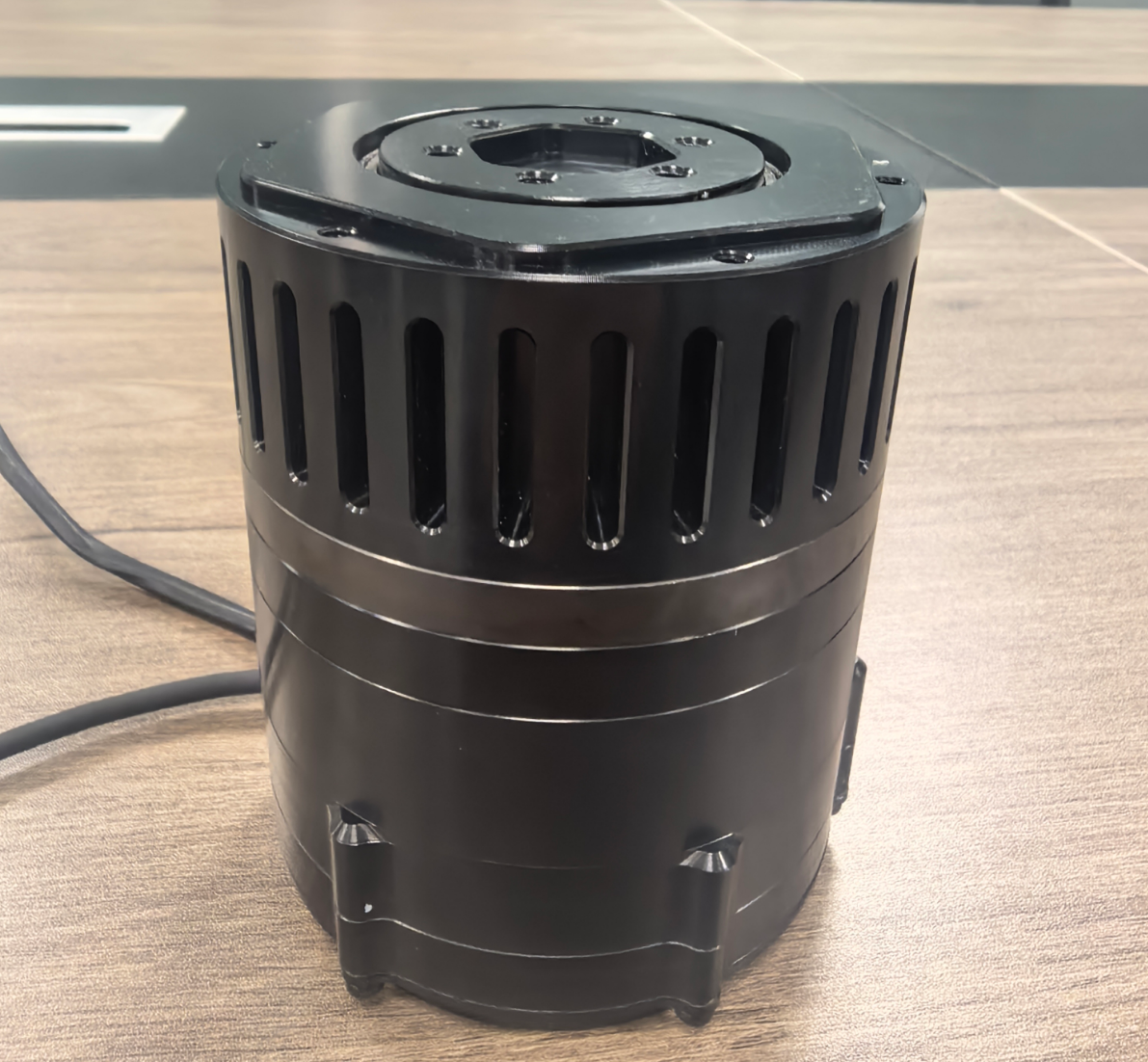
Joint Motor 90 · 650W
90 N·m continuous stall / 431 N·m peak, 1:30 ratio, EtherCAT, -40 to +85 C
View details →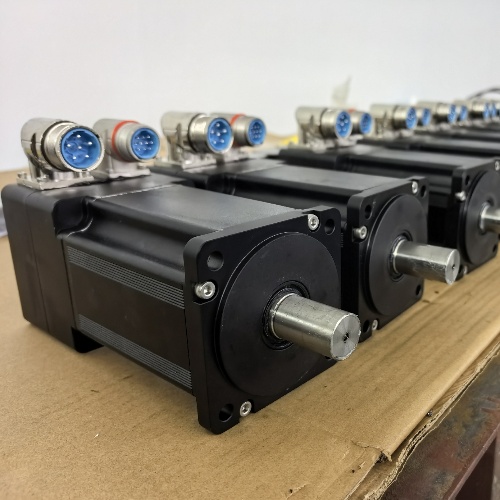
JGSM 80 mm 1 kW MIL-Grade Servo Motor
IP67, resolver feedback, 3x overload, 6,000 m altitude, -40 to +85 C
View details →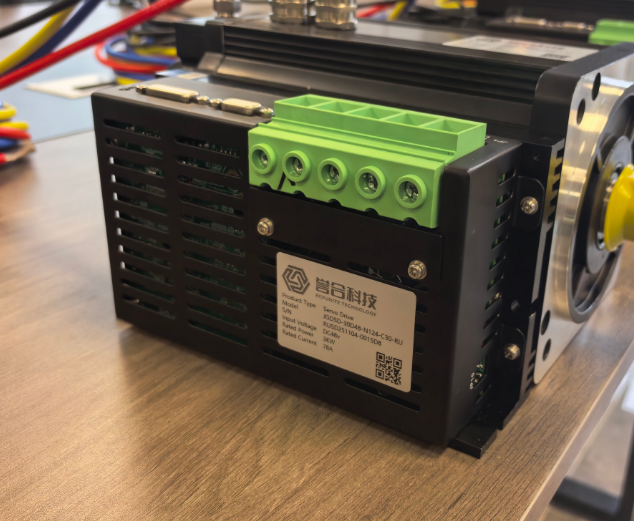
JGDSD 3 kW 48 V MIL-Grade Servo Drive
3x overload, CANopen/RS485, vibration and shock tolerant, wide temperature range
View details →Source: Boston Dynamics · Robotics 24/7 · November 17, 2026
Back to News →